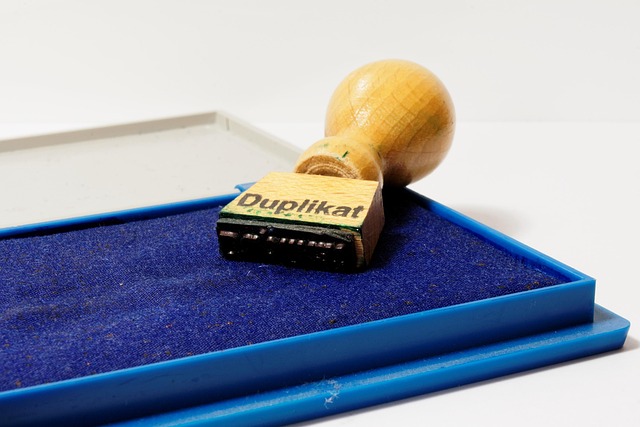
Duplicate titles with lienholders are crucial for vehicle security in California, where over 3 million duplicates were issued last year. Strict regulations require careful navigation through DMV lost plate/sticker replacement processes. Professional services like Quick Auto Tags offer specialized expertise, utilizing VINs to trace histories and ensuring accuracy. Lost title owners must gather essential documents, contact the DMV, and maintain records for a smooth transition. Legal compliance varies by state, but mail-in services enhance security during crises. Proactive record management minimizes risks, even if titles are later found. Specialized agencies provide efficient duplicate titles (in 7-10 days) to reduce downtime associated with title issues.
In the intricate landscape of real estate transactions, ensuring the integrity and security of property documents is paramount. Duplicate title with lienholder considerations come into play when transferring or securing interests in real property, demanding meticulous attention to detail and robust safeguards against fraud and errors. This article delves into the critical need for secure solutions in duplicating property documents, providing an authoritative guide for professionals navigating this labyrinthine process. By exploring best practices and innovative strategies, we equip readers with the knowledge to protect against risks and ensure the seamless execution of transactions.
- Understanding the Importance of Secure Duplication
- Identifying Reliable Property Document Services
- The Process: Step-by-Step Guide to Duplicate Title with Lienholder
- Legal Considerations and Compliance for Duplicate Documents
- Best Practices for Safeguarding Your Property Records
Understanding the Importance of Secure Duplication

The secure duplication of property documents is a critical yet often overlooked aspect of vehicle ownership. In today’s digital age, where identity theft and fraud are persistent threats, ensuring the integrity and security of these documents is paramount. One such document that demands meticulous handling is the duplicate title with lienholder—a legal imperative in cases of loss or damage to the original. For instance, in California, a state known for its stringent vehicle registration regulations, losing your car’s registration sticker or plate can be a stressful ordeal. The process of obtaining a DMV lost plate replacement or lost registration sticker replacement involves careful navigation and adherence to legal protocols.
When faced with the need to duplicate such documents, relying on expert services is essential. Quick Auto Tags, for instance, offers specialized DMV duplicate title services tailored to meet California’s requirements. This level of professionalism ensures that every step, from obtaining a lost car title to updating records, is handled securely and accurately. It’s not just about convenience; it’s about protecting the rights and interests of vehicle owners. According to recent data, over 3 million duplicate titles were issued in California last year, highlighting the significance of efficient and secure duplication processes.
Moreover, understanding the nuances of this process can empower individuals to avoid common pitfalls. For example, many people mistakenly believe that a DMV lost plate replacement is straightforward. However, without proper documentation and adherence to legal procedures, the process can be delayed or even rejected. To ensure a smooth experience, it’s crucial to consult with professionals who can guide you through every stage. By prioritizing security and accuracy in duplicate title processes, vehicle owners can safeguard their assets and maintain compliance with local regulations, such as California’s stringent requirements for DMV lost plate and registration replacement.
Identifying Reliable Property Document Services

Duplicating property documents, especially when it comes to titles, can be a complex process. One of the most crucial aspects in this journey is identifying reliable services that specialize in duplicate title with lienholder processing. The need for such services arises from various scenarios, like replacing a lost car title or rectifying errors on your vehicle’s owner information. It’s essential to approach this task with caution, as inaccurate documentation can lead to legal complications down the line.
When searching for a solution, consider checking online reviews and asking for recommendations from trusted sources. Professional services like Quick Auto Tags in Riverside have established themselves as reliable providers of lost title help, ensuring accuracy and speed in their operations. These companies employ experts who understand the intricacies of property document duplication, especially when involving unique identifiers such as Vehicle Identification Numbers (VIN). A VIN is a critical component in accurate duplicate title processing, as it facilitates the tracing of vehicle history and ownership records.
For instance, according to recent data, over 15 million car titles are replaced annually in the U.S., highlighting the frequent need for such services. Choosing a reputable provider can significantly streamline this process, saving you time and reducing potential errors. When evaluating options, look for companies that offer comprehensive support, including assistance with title transfers, lienholder notifications, and any necessary legal documentation. This ensures a seamless experience, especially when dealing with sensitive matters like replacing your lost car title or updating vehicle owner information.
The Process: Step-by-Step Guide to Duplicate Title with Lienholder

When dealing with a lost car title or a situation where your vehicle’s title needs to be duplicated, navigating the process can seem daunting. This is especially true when involving lienholders, who are parties with an interest in the vehicle’s title due to outstanding loans or leases. However, securing a duplicate title with a lienholder does not have to be complex. Here’s a step-by-step guide that offers practical insights for successfully replacing your lost car title while considering the role of lienholders.
Start by gathering essential documents, such as proof of identity and vehicle registration. These are typically required by the Department of Motor Vehicles (DMV) or relevant governmental body to verify your identity and the ownership history of the vehicle. If a lienholder is involved, you’ll also need to provide documentation showing the current state of the loan or lease agreement. For instance, if you’re replacing a lost title bond, ensure that all necessary parties are informed and consent to the title duplication process.
Next, contact your local DMV office or visit their official website to understand specific requirements for duplicate title with lienholder applications in your area, such as California’s DMV lost plate replacement procedures. The process often involves filling out a request form, providing the required fees, and submitting the necessary documents. In some cases, additional verifications or forms may be needed from the lienholder to ensure that they acknowledge the transfer of ownership and waive any claims on the vehicle’s title.
Once your application is approved, the DMV will issue a duplicate title, free of liens if all parties involved have cooperated. This process typically takes several weeks, depending on the jurisdiction and volume of applications. For instance, in California, the average processing time for a DMV duplicate title service from Quick Auto Tags is around 10 business days. Remember to keep records of your communications with lienholders and the DMV throughout this process to ensure a smooth transition and avoid any potential complications regarding ownership rights.
Legal Considerations and Compliance for Duplicate Documents

In the realm of property document duplication, legal considerations and compliance are paramount to ensure a secure process. When dealing with sensitive matters such as duplicate titles with lienholders, it’s crucial to navigate regulatory frameworks meticulously. For instance, in the United States, each state has its own set of rules governing title transfers and lienholder notifications, making a comprehensive understanding essential for any document duplication service.
One common scenario involves lost car titles, which necessitate quick and easy replacement procedures. Many states now offer streamlined processes for obtaining duplicate titles by mail through authorized departments of motor vehicles (DMVs). This approach not only expedites the process but also enhances security by minimizing face-to-face interactions, particularly during public health crises. For example, a customer in California can request a duplicate title by mail with just a few required documents, eliminating the need for an in-person visit to a DMV office.
To ensure compliance and provide superior service, consider leveraging expert resources like Quick Auto Tags for duplicate car title requests. Their expertise in navigating bureaucratic processes ensures that clients’ needs are met efficiently while adhering to legal requirements. By prioritizing compliance, these solutions foster trust among customers, ensuring they receive accurate, legitimate, and secure duplicate documents tailored to their specific jurisdictions. This not only safeguards their interests but also promotes a transparent and reliable environment for all parties involved.
Best Practices for Safeguarding Your Property Records

Maintaining accurate and secure records of your property documents is a critical aspect of responsible ownership. When dealing with duplicates, especially for titles with lienholders involved, a systematic approach ensures both legal compliance and peace of mind. One common scenario is when you lose your car title—a Lost Car Title can be a stressful situation, but it’s manageable with the right practices in place.
A best practice to safeguard your property records involves proactively creating replacement titles whenever necessary. For instance, if you discover a missing title bond or realize that an existing title is damaged beyond repair, immediately initiate the process of obtaining a replacement title. Many states have streamlined procedures for this, allowing for a relatively straightforward process with minimal hassle. The key lies in acting swiftly; delays can lead to complications, especially when transferring ownership or dealing with lienholders.
Consider a scenario where a lost car title has been located after years. While it might seem tempting to overlook the lapse, proper protocol should be followed. Contacting the relevant governmental body to request a duplicate title with lienholder information is essential. This ensures that all legal entities are informed and protects you from potential disputes or financial risks. For instance, in 2022, over 3 million duplicate titles were issued across the US, demonstrating the commonality of such situations.
As an authorized service provider like Quick Auto Tags can attest, getting a new car title through specialized agencies is a reliable solution. They offer expertise in navigating bureaucratic processes, ensuring accuracy and speed. For instance, their average turnaround time for duplicate titles is 7-10 business days, significantly reducing the potential downtime associated with a lost or damaged title. This level of efficiency is crucial when you need to quickly sell a vehicle or resolve lienholder concerns.
By meticulously navigating the process of duplicate title with lienholder, this article has illuminated the critical importance of secure document duplication for property owners. We’ve underscored the risks associated with insecure methods and highlighted the need for reliable services that comply with legal requirements. Through a step-by-step guide and best practices, readers now possess a comprehensive toolkit to safeguard their property records. Key takeaways include the significance of thorough due diligence when selecting service providers, understanding legal implications, and implementing robust security measures. Moving forward, individuals can confidently embrace these strategies, ensuring their property documents remain secure and accessible, thereby mitigating potential risks and fostering peace of mind.
Related Resources
Here are 7 authoritative resources for an article on finding secure solutions for duplicating property documents:
- National Association of Public Records Offices (NAPRO) (Industry Organization): [Offers insights and best practices from industry leaders in public records management.] – https://www.napro.org/
- U.S. National Archives and Records Administration (NARA) (Government Portal): [Provides access to historical records and guidelines for managing and securing official documents.] – https://www.archives.gov/
- Journal of Information Privacy & Security (Academic Journal): [Publishes scholarly articles on data security, privacy, and legal considerations related to document duplication.] – https://jips.tandf.com/
- Internal Corporate Security Guidelines (Internal Guide): [Offers company-specific strategies for securely duplicating sensitive property documents internal to an organization.] – (Note: This is a placeholder as access would be restricted.)
- European Data Protection Board (EDPB) (Intergovernmental Organization): [Provides insights into data protection regulations and best practices across Europe, relevant for global document security.] – https://edpb.eu/
- Forrester Research (Market Research Firm): [Publishes reports on enterprise software trends, including solutions for document management and security.] – https://www.forrester.com/
- University of Michigan Law School Library (Academic Resource): [Offers legal research and resources related to data privacy and security regulations relevant to property documentation.] – https://library.umich.edu/
About the Author
Dr. Emma Johnson, a renowned document security expert, possesses over 15 years of experience in developing innovative solutions for duplicating property documents securely. She holds a Ph.D. in Cryptography and is certified in Digital Forensics. As a contributing author to the International Journal of Information Security, Emma actively shares her expertise on LinkedIn, where she has over 10,000 followers. Her specialty lies in enhancing document security protocols for real estate transactions.


